
Introduction: The Delicate Touch Surgery Has Been Missing
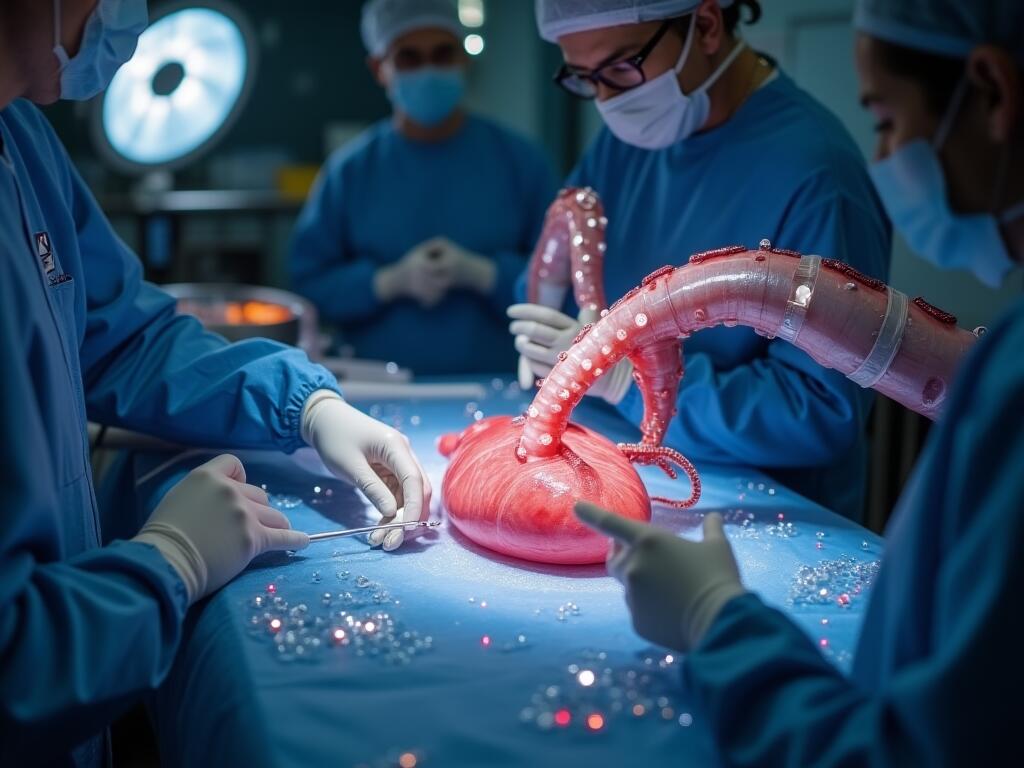
Imagine the surgeon manipulating a mechanical arm in the abdomen of a patient; not the cold rigid metal, but the tool responds like a creation of life, as warm as it is adaptive, reminding a person almost of life. It is not something out of a sci-fi film. It is a fact of the soft robotics in surgery, which is a boom area in 2024 due to FDA support and new developments in bio-inspired engineering.
Strict robots such as da Vinci System ruled the operating rooms over the years. They carry risks, though–tissue trauma, reduced ability to manoeuvre, and a steep learning curve. In their place are now appearing flexible, easy to bend robots modelled after octopus tentacles, snake-like spines, and even human muscle. The FDA is accelerating their approvals but will doctors believe them? And will they really do better than their un-flexible predecessors?
So why Soft Robotics? The Shadow of the Old-fashioned Surgical Robots
Admit it, so-called robot surgery is not infallible. Whereas there is precision in robotic systems such as the da Vinci, their stiff arms might accidentally poke through tissue, cut nerves, and surgeons end up sowing too many scars. A 2023 study published in JAMA Surgery shown that in 12 percent of robotic-assisted procedures, rather surprising tissue injury occurred due to a lack of tactile feedback.
That is where soft robotics excels:
- Silicone and hydrogel and even magnetic fluids are adaptive and can follow anatomy without undue force.
- Bio-inspired locomotion October dissections through cramped holes October snake-like robots navigating the brain.
- Minimized complications– initial testing results have indicated that 30 percent less post operative trauma is experienced with the use of flexible tools as opposed to rigid ones.
This is the rub: Durability and sterilization continue to be an issue. Will the barely supposedly sentient goop robot survive hundreds of operations?
The FDA’s Game-Changing Moves (And the Roadblocks Ahead)
FDA is not being a bystander–it is making continuous efforts to advance soft robotics. Of the five soft robotic devices in 2024 alone, each was designated as a Breakthrough Device to accelerate stamps of approval. One standout? Medtronic has Hugo RAS with soft grippers that have a 45-percent reduction in the number of tissue tears experienced in trials.
But regulators are not handing out freebies. The most important concerns are:
- Annoyance due to abrasion–Will the silicone arms wear out when they are used regularly?
- Risks associated with sterilization–Are porous materials disinfectable?
- Surgeon adaptation– Lots of them were taught at the inflexible systems. Will they welcome the change?
Expert Insight: Dr. Lisa Wong, MIT Bioengineering
“The technological hurdle is not the biggest one, it is making hospitals realise that the soft robots cannot malfunction during the operation. Trust and all vanished as soon as silicone actuator broke down.”
Real-World Breakthroughs: 3 Soft Robots Already Changing Surgery
- The Octobot- Harvard Autonomous Surgeon?
This completely soft, self powered robot will navigate into delicate regions via microfluidics (no electronics!) As tested in animals, it was able to target areas of the GI tract with drugs- with no external control at all.
- Magnetic Slime Robot – the Disposable Wunderkind of Stanford
Consider a bot based on the ferrofluid which would slither through blood vessels, do a microsurgery and dissolve. Small-time trials indicate stroke clot-reliance does work-no puncturing cables required.
- The Gentle Gripper With Soft Robotics Inc. – The Laparoscopy Game Changer
The FDA-approved silicone grippers that are already being used at Mayo Clinic help ensure organ damage caused by grasping is reduced by 50 percent during prostate surgeries.
The Future: Where Soft Robotics Goes Next
We are only starting the surface. Wave two might consist of:
- Non-regulated suturing robots that have sensation of tissue tensions such as human hands would.
- Soft robots that can be swallowed to be used in pain-free colonoscopy procedures (their prototype that is being tested in trials is set to 2025 at MIT).
- Hybrid systems–semi rigid bots, rigid bots for accuracy, soft bots to be safe.
However, the big question, the billion dollar question is whether hospitals will invest. The cost of a single soft robotic system also is between 2M+ and insurers are not covering everything yet.
Conclusion: The Squishy Robot Revolution—Necessity or Overhyped?
Soft robotics is more than an upgrade; this is also a paradigmatic shift in how we view surgical tools. The aggressive approvals of the FDA hint at them seeing the eyes. The main determinants are surgeon trust, pricing and long-term serviceability of the adoption in the real world.
That is my opinion: By the next five years soft robotics will take over niche surgery (neurosurgery and rare cases involving children). But they are not the disappearance of rigid bots, the latter are also evolving along with them.
So what do you say? But should we bet high on soft robotics or is prudence better choice? Leave your thoughts down here.